That Mechanical Whirr Was a Love Language: The Sounds of VHS That Streaming Will Never Replace
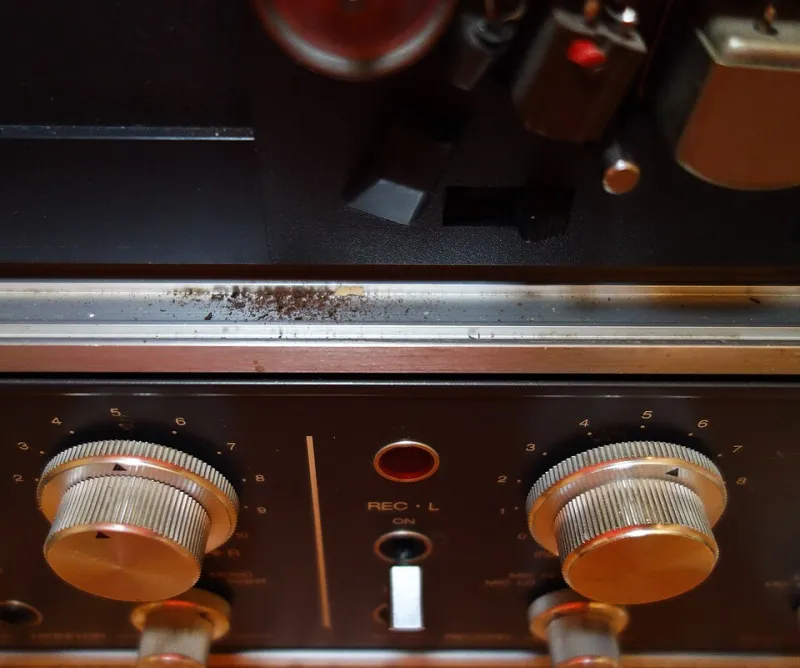
Photo: Danielteolijr, CC BY-SA 4.0, via Wikimedia Commons
Close your eyes for a second. Picture a Friday night sometime in the mid-'90s. The pizza box is already open on the coffee table. Someone's fighting over the last piece with extra cheese. And then — click — the tape goes in, the deck swallows it whole, and that low mechanical hum fills the room like a kind of promise.
Nothing on Netflix has ever felt like that.
Streaming is extraordinary in the most boring way possible. It's frictionless, instant, and completely devoid of ceremony. You scroll, you click, you watch. There's no warm-up act. No ritual. And honestly? Something got lost in all that convenience — something that a whole generation of Gen X kids and elder millennials still feels as a faint, inexplicable ache whenever they walk past a thrift store and spot a stack of old VHS tapes.
Let's talk about what we actually miss. Because it wasn't just the movies.
The Soundtrack Nobody Talks About
Ask anyone who grew up with a VCR and they'll describe it the same way — not just visually, but physically. The weight of the cassette in your hand. The cardboard sleeve with its slightly worn corners. The way you'd slide the tape out and squint at the label like you were handling something important.
And the sounds. Oh, the sounds.
There was the hollow clunk of the tape hitting the loading mechanism. The whirring spin-up, that rising mechanical hum as the heads found their groove. The occasional squeal of an older tape that needed a minute to get itself together — like a car engine turning over on a cold morning. And then, at the end of the night, the unmistakable slap and buzz of rewinding: that rattling, urgent chatter that meant the movie was done and the machine was doing its job.
Those sounds were a full sensory handshake. They told you something was happening. That you were about to receive something. That patience — just a little bit of it — was part of the deal.
Be Kind, Rewind (And Why That Phrase Still Lives Rent-Free in Our Heads)
Remember when rewinding was a whole thing? Some people rewound before they returned the tape to the video store, out of basic social contract. Others... did not, and the rental place had little stickers on the counter to shame them for it. "Be Kind, Rewind" wasn't just a slogan — it was a genuine cultural expectation, a micro-etiquette that said something about who you were as a person.
There were even standalone rewinders shaped like race cars or little VHS-sized gadgets that sat next to the TV just for this purpose. You'd pop the tape in, hear the motor kick on, and wait. Thirty seconds. Maybe a minute. That was your intermission. Time to argue about what snack to grab, to flip through the TV guide, to just exist for a moment without consuming anything.
Streaming doesn't have intermissions. It has autoplay. Which is a very different thing.
The Tactile World We Handed Over
There's a reason vinyl records made such a massive comeback — and it's the same reason people are hunting down VHS tapes at garage sales and Goodwill bins across the country. Physical media asks something of you. It requires handling, care, a small investment of attention before the payoff even begins.
With a VHS tape, you were in a relationship with the object. You had to treat it right — no leaving it in a hot car, no stacking things on top of it, no letting the tape get dusty or warped. In return, it held your memories. That copy of Jurassic Park your family taped off TNT, complete with the commercial breaks and your dad's voice in the background saying "here it comes, here it comes" before the T-Rex scene? That tape knew you.
Streaming libraries are rented rooms. VHS collections were homes.
Why These Sounds Hit Different Now
Psychologists have a name for the way sensory cues unlock memory: they call it involuntary autobiographical memory, but most of us just call it being suddenly eight years old again for no apparent reason.
Hear a specific song and you're back at your middle school dance. Smell sunscreen and it's summer at your grandparents' pool. And hear that low mechanical whirr of a VHS deck warming up? You're back in the living room, the lights are low, and the whole weekend is still ahead of you.
That's not nostalgia for the technology, exactly. It's nostalgia for the version of yourself who had nowhere to be and nothing to rush toward. A self who could sit with anticipation — who could wait for something — without immediately reaching for a phone.
The sounds of VHS were the sounds of slowness. And in a world where content is delivered before you've even consciously decided you want it, that slowness feels almost radical.
The Ritual Is the Point
Here's the thing about streaming that nobody really says out loud: the ease of it can make movies feel disposable. When something is always available, always instant, it never quite feels like an event. You don't remember the Tuesday night you half-watched something on your laptop while scrolling through Instagram. But you remember the Friday night your whole family crowded onto the couch, the tape finally rewound, the FBI warning flashing on the screen while someone ran to the kitchen for more popcorn.
The ritual created the memory. The friction was the feature.
That's why so many people in their 30s and 40s are finding comfort in analog experiences right now — not because the old technology was objectively better, but because it forced a kind of presence that modern convenience has quietly engineered out of our lives. Rewinding a tape was a tiny act of mindfulness before anyone was using that word in a wellness context.
You Can Still Hear It
If you've got an old VCR in a closet or a box of tapes in your parents' garage, dust them off. Pop one in. Don't fast-forward through the previews — you know the ones, the trailers for movies that came out before the one you're watching, the studio logos with the booming orchestral themes. Let the whole thing play the way it was meant to.
And when it's over, listen to that tape rewind.
That sound is a time machine. It's the closest thing we've got to going back — not just to a movie, but to a moment when movie night meant something, when the experience started long before the opening credits and lasted long after the credits rolled.
Streaming gave us everything we asked for. But somewhere in the asking, we forgot to ask for the part that mattered most.