Twinkie Futures and Lunchable Leverage: The Unwritten Rules of the Cafeteria Trade Floor
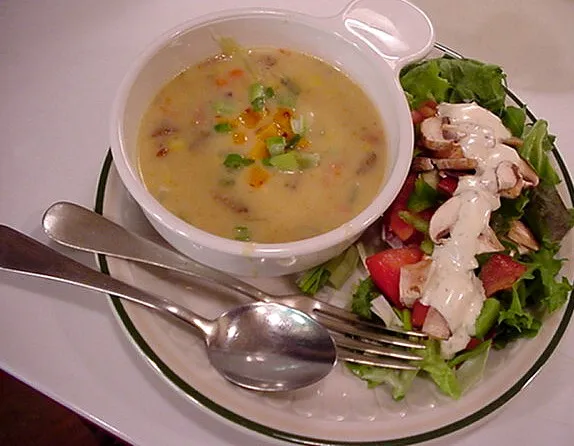
Photo: Cheryl from River City (Richmond), VA, USA, CC BY-SA 2.0, via Wikimedia Commons
The cafeteria did not have a trading floor, but it had everything else: open outcry, shifting prices, insider information, and at least one kid who somehow always ended up with the good snack.
Lunch was never just food. It was a marketplace. And every kid at the table was a trader, whether they knew it or not.
The Bell Rings and the Market Opens
The transition from classroom to cafeteria was the opening bell. Desks emptied. Backpacks were grabbed. The line formed. And somewhere between the hallway and the lunch table, the day's real negotiations began.
You did not need a Bloomberg terminal to know what was valuable. You needed eyes. You needed to scan the table and see who had what. A bag of chips was currency. A fruit snack was small change. A full-size candy bar was a major asset. And a Lunchable? That was an initial public offering.
Brown Bag Blue Chips
Every cafeteria had its blue chips. These were the snacks that held their value no matter what. A Hostess cupcake. A bag of Doritos. A pack of Oreos. A Capri Sun that had not been crushed at the bottom of a backpack.
Blue chips were reliable. They were recognizable. They were the things you could trade for almost anything else because everybody wanted them. If you had a blue chip, you had options. You could hold. You could swap. You could use it to sweeten a deal that was already going sideways.
The kids with blue chips did not always know they had power. But they did. You could see it in the way other kids hovered near their lunch bag, casually mentioning that they had an extra pack of gum, just in case.
The Twinkie Standard
The Twinkie was not just a snack. It was a benchmark. It was the thing you measured other snacks against. A Twinkie was soft, golden, and universally understood. It did not need a marketing campaign. It just needed to be in the room.
If you had a Twinkie, you were not rich exactly. You were liquid. You could trade a Twinkie for a bag of chips and a fruit roll-up if you played your cards right. You could split it in half and create two smaller assets. You could eat it yourself and enjoy a brief moment of absolute power.
The Twinkie standard was simple: some things are valuable because they are rare, and some things are valuable because they are exactly what they are. A Twinkie never pretended to be healthy. It never tried to be a granola bar. It knew its lane. That kind of confidence made it a legend.
Lunchables and Status Inflation
Then there were Lunchables. A Lunchable was not just food. It was a statement. It came in a box. It had compartments. It had crackers, cheese, meat, and sometimes a tiny candy. It looked like a meal designed by a committee of eight-year-olds with unlimited influence.
Having a Lunchable raised your status instantly. You did not have to say anything. You just opened the box and let the table see. The kid with the Lunchable was not necessarily popular. But for that one lunch period, they were important. They had options. They had leverage.
Some kids tried to trade for a Lunchable and failed. Some kids tried to trade part of a Lunchable and got laughed at. You could not break up a Lunchable without destroying its value. It was an all-or-nothing asset. That made it powerful and fragile at the same time.
The Trade That Cost You a Friend
The dark side of the cafeteria economy was that not every trade was fair. Sometimes you traded a good snack for a bad one because you did not know any better. Sometimes you traded because you were hungry and desperate. Sometimes you traded because a kid with more social capital told you it was a good deal.
And sometimes you made a trade that felt fine in the moment and terrible by third period. You gave away the cookies. You got the carrot sticks. You spent the rest of the day thinking about it.
That was the market. It was not always kind. But it taught you things. It taught you to read a room. It taught you to know what you had. It taught you that value is not always printed on the package.
Closing Bell
The bell rang again eventually. Lunch ended. Trays were cleared. The market closed. Tomorrow it would open again, with new snacks and new chances and new kids trying to figure out what their brown bag was really worth.
In 2026, school lunch is a different world, with different rules and different packaging. But somewhere in the memory of every adult who ever traded a pudding cup for a pack of baseball cards, the cafeteria is still open. The tables are still crowded. The Twinkies are still moving. And the market is still waiting for the next big trade.