The World's Largest Everything: Mapping the Great American Kitsch Road Trip Before It's Too Late
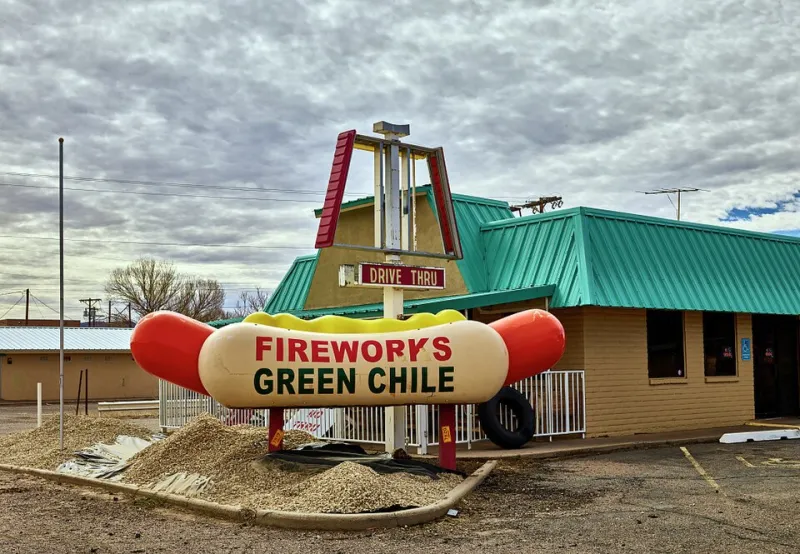
Photo: Carol M. Highsmith, No restrictions, via Wikimedia Commons
Somewhere along a two-lane highway in the middle of America, there is a very large object that serves no purpose other than to make you say "well, we can't NOT stop."
That object is a national treasure. And a lot of them are running out of time.
Why We Built Giant Things (And Why We Stopped)
Understand the economics of the golden age of roadside America: before interstate highways routed traffic around every town, the road ran through the town. Your business lived or died by whether travelers pulled over. And the way you got them to pull over was simple — you built something enormous, weird, or both.
A giant cow. A dinosaur. A coffee pot. A man holding a muffler. It sounds absurd, and it was, gloriously. But it was also honest commerce dressed in fiberglass: we're here, we're fun, come spend ten dollars and stretch your legs.
Then the interstates came, the traffic dried up, and the giants started falling. Some burned. Some rotted. Some were just quietly hauled away while the town debated what to do with a fifty-foot concrete dinosaur nobody could afford to paint. Every closure is a small heartbreak, which is why the survivors deserve your tourist dollars now.
Still Standing: The Pilgrimage List
The World's Largest Ball of Twine — Cawker City, Kansas. The crown jewel of American twine-based achievement, still growing, still rolling, still free to visit. Bring your own string and add to it — yes, really. This is interactive art, prairie style.
Cabazon Dinosaurs — Cabazon, California. The concrete T-Rex and brontosaurus off I-10, of Pee-wee's Big Adventure fame. You can climb inside the Rex. You should climb inside the Rex. This is not a debate.
The Blue Whale of Catoosa — Catoosa, Oklahoma. A grinning Route 66 icon built in the early '70s as an anniversary gift from Hugh Davis to his wife, Zelda. It's been restored by volunteers and remains the single most photogenic whale in Oklahoma, a category it dominates entirely.
Wall Drug — Wall, South Dakota. Technically a store, spiritually a roadside nation-state. Free ice water, homemade donuts, a jackalope you can ride, and signage so pervasive it's a running joke across five states. It's been pulling travelers off the highway since 1931, and it shows no signs of quitting.
The Cadillac Ranch — Amarillo, Texas. Ten Cadillacs buried nose-down in a cow pasture, spray-painted by thousands of visitors a year. Bring a can of paint. Leave a layer. That's the whole social contract out there, and it's beautiful.
The Ones We Lost (Pour One Out)
Not every giant makes it. The original towns of Route 66 lost dozens of mom-and-pop motels and eateries to bypass and time. Dinosaur parks in the East have closed one by one. Roadside giants like some of the old muffler men have been auctioned off, moved, or vanished entirely — tracked by obsessive fans the way others track endangered birds.
That's the urgency, friends. This stuff isn't protected like national parks. It survives on gas station coffee money and the goodwill of people who remember. A visit isn't just nostalgia — it's a vote that these things matter.
Planning Your Kitsch Pilgrimage
A few practical notes from the road-trip trenches:
- Pick a theme highway. Route 66, the Lincoln Highway, or old US-1 are lined with survivors. The highway is the itinerary.
- Check before you drive three hours. These are often volunteer-run. A quick search can save you from staring at a locked gate.
- Bring cash. Half these places run on an honor box and a prayer.
- Buy the overpriced souvenir. That $12 foam dinosaur is doing more preservation work than you know.
- Take the photo with your whole family looking awkward. That's the tradition. That's the whole point.
The Real Souvenir
Here's what I've figured out after years of detouring toward giant twine and fiberglass cowboys: the objects are almost beside the point. The ball of twine is, let's be honest, a ball of twine.
What you're really chasing is the moment in the car afterward. The family laughing about the whale. The kids asking why anyone would build a dinosaur in the desert. The shared understanding that the trip wasn't just about getting somewhere — it was about what you'd stop for along the way.
We built giants so travelers would remember our towns. It worked better than anyone expected. We're still remembering. Go see one this summer, while the paint's still fresh and the gate's still open.
The giants are waiting. They've been waiting a long time. It's kind of their whole thing.